
Blossom Criminal History Checks
Blossom's small-city setting makes the first question especially important: who created the Blossom record? A Blossom incident report stays with the responding or commissioned agency. Lamar County Jail creates a separate Blossom booking file if it accepts the person. A Blossom citation points to the court that handles the fine-only matter. Higher-level Blossom charges go to the County Clerk or District Clerk. Texas DPS holds a statewide fingerprint-linked system and offers a narrower public name search for reported convictions and deferred adjudications.
Use a five-step Blossom search route:
- Contact the official City of Blossom starting point and identify the responding agency or issuing court.
- Send a written request to the record creator with the date, place, incident type, and known number.
- Read the citation for the municipal or justice court that holds a fine-only file.
- Call Lamar County Jail for current custody, then search county court records after a charge is filed.
- Use DPS for the statewide public conviction slice or FAST fingerprints for a review of your own Texas history.
Keep each number with its source. The incident, booking, citation, court case, and DPS tracking numbers can all differ. That simple practice keeps Blossom criminal records from being lost in a request sent to the wrong office.
Blossom Records Start With the Agency
No official public Blossom police-record portal, Blossom arrest log, request-form PDF, records fee, or stable Blossom municipal court contact was verified. The safe response is not to invent a Blossom police department or assume the Sheriff's Office created every Blossom report. Ask Blossom City Hall which commissioned or responding agency handled the event. Then direct the written Blossom request to that custodian.
A useful Blossom request describes an existing Blossom record instead of asking staff to answer questions. Include the Blossom incident date, approximate time, location, report or citation number, involved agency if known, subject name, and the exact document requested. If the Blossom request seeks dispatch audio, video, or another large file, ask about cost and redaction before committing. Protected victim, juvenile, medical, and active-investigation information may be withheld under law.
Note: A missing Blossom web portal changes the request method, but it does not prove that the city or responding agency holds no record.
Records at the Blossom Police Department
The official research did not verify a dedicated Blossom police records unit or public-facing Blossom record portal. Use Blossom's current contact channel to learn whether a city officer, sheriff's deputy, state trooper, constable, or another agency made the Blossom report. The creator normally retains the Blossom incident or arrest narrative. A county booking and a later court filing remain separate even when all arise from the same Blossom event.
Do not route a Blossom report to Paris Police because Paris is the nearest large city. Paris Police records cover incidents its officers handled. Likewise, the Lamar County Sheriff's Office is the right report custodian only when a sheriff's employee created the record. A precise agency match saves time and reduces the risk of a formal public-information request being rejected or redirected.
Why Blossom Creates Several Records
One Blossom event can produce several official Blossom files because each stage has a different purpose. The Blossom response report records what the agency saw and alleged. A Blossom jail record documents intake and custody. A complaint, information, or indictment states the Blossom charge that is formally filed. The court docket tracks Blossom hearings, pleas, orders, and disposition. DPS assembles reportable fingerprint cycles and submitted outcomes at state level.
These records do not always use the same charge language. Prosecutors can reject an arrest charge, change its level, add another count, or file no case. A court can later dismiss, defer, acquit, or convict. For that reason, a Blossom arrest record is not a verdict, and a DPS public result is not a copy of the full Lamar County court file. Match the source to the question before relying on the result.
Booking and Arrest Records in Blossom
When Lamar County Jail accepts a person after a Blossom-area arrest, Jail Administration creates the booking and custody record at 125 Brown Avenue in Paris. Intake commonly records a booking identifier, arresting agency, intake charge, fingerprints, photograph, bond data, and custody status. Jail staff also verify legal authority, inventory property, conduct screening, and prepare the person for prompt magistrate review. The charge listed at intake can differ from the charge later filed in court.
Lamar County has no verified online Texas jail roster or official daily booking log. Call Jail Administration at 903-737-2404 for current custody. For a formal record, submit a focused written request through the Sheriff. A recent Blossom booking can precede any Tyler portal entry. Search the court later, once the prosecutor and clerk have created a case.
Blossom Arrests Reach County Custody
The custody handoff separates the city event from the county file. The responding agency transports the person and supplies the alleged charge. The jail creates intake data. A magistrate addresses warnings, probable cause, and bail. The person may be released on an authorized bond, remain pending court action, serve a county sentence, or transfer to another system.
Blossom custody flow: responding agency › Lamar County Jail › magistrate › prosecutor › court clerk.
The flow explains why a call to one office may reveal only one part. Ask the jail for current custody and booking facts. Ask the report creator for releasable incident material. Ask the clerk for the filed charge, docket, and disposition. If the person later enters TDCJ custody, use the state inmate locator rather than the county jail line.
The Blossom Municipal Court File
No stable official Blossom municipal case-search page, current court contact, or copy fee was found. The citation itself is therefore the best routing tool. Read the court name and case or citation number. Fine-only city or Class C matters may remain with a municipal or justice court, while Class A and B misdemeanors generally belong in Lamar County Court at Law. Felonies go to district court.
A Blossom court file is distinct from the Blossom incident report and booking entry. Confirm the live Blossom details before ordering copies.
| Court Name | Use the court printed on the Blossom citation or confirmed by the issuing agency. |
|---|---|
| Case Types Heard | Fine-only ordinance, Class C, or justice-court matters within the named court's jurisdiction. |
| Case Lookup Channel | Phone or clerk counter; no verified Blossom public case portal was located. |
| What the Docket Shows | Citation, settings, plea, judgment, costs, and warrant events when entered. |
| Copies & Fees | Confirm with the named clerk because no stable city fee was verified. |
Blossom Citation and Court Routing
Lamar County's six justice-court places make fine-only routing less obvious than a single courthouse phone call suggests. A Blossom citation may identify a municipal arrangement or a JP place. Use that named court for the docket and any bench warrant or capias. Do not assume the County Clerk can see every fine-only case merely because the clerk works at the same courthouse as county judges.
The official Lamar County Justice of the Peace directory lists the six JP offices and provides the county's public magistration link.
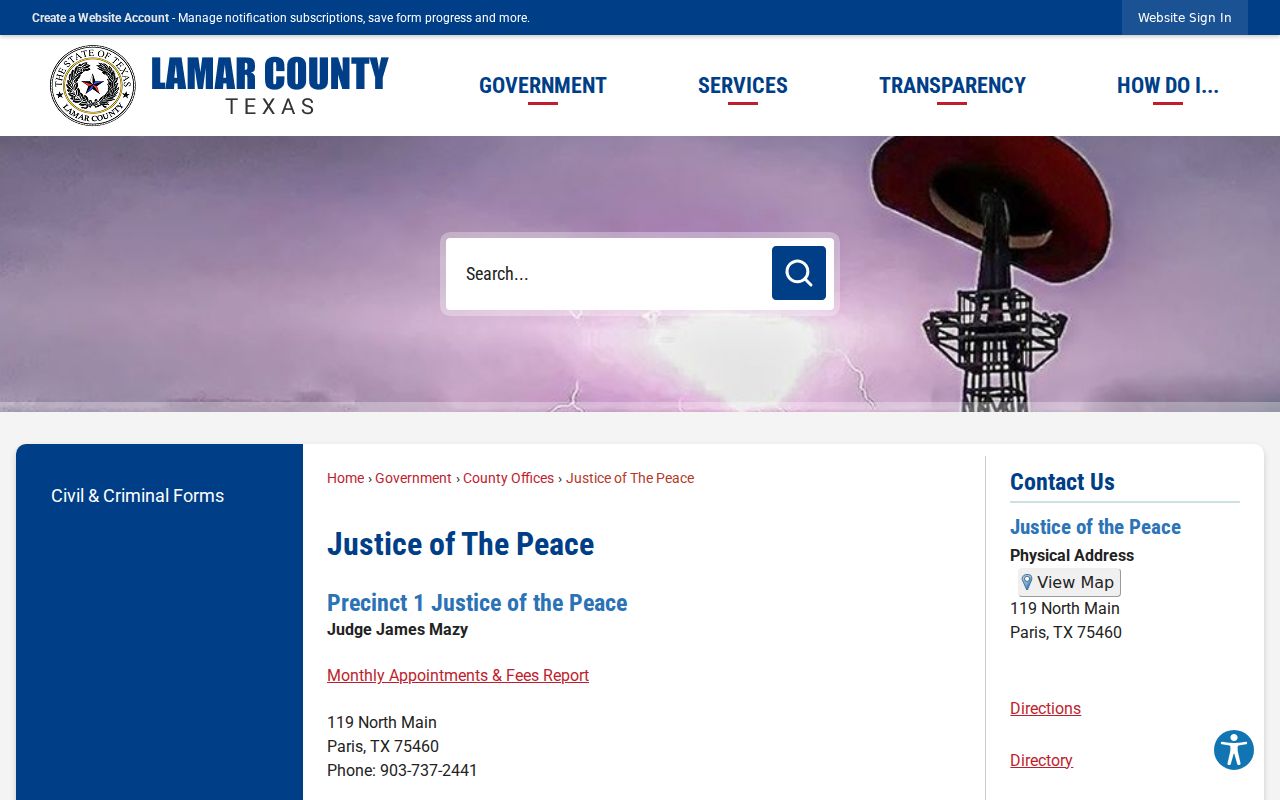
The magistrate stream helps show first-appearance procedure, but it is not a Blossom warrant list or a searchable archive of old cases.
If the citation is missing, contact the issuing agency and describe the date and location. Once the court is known, ask the clerk about the current status and any appearance requirement. Never send payment based only on an unsolicited call.
How Blossom Records Reach the County
A Blossom incident reaches county court records only after formal filing. Class A or B misdemeanor cases ordinarily go through the Lamar County Clerk and County Court at Law. Felonies go through the District Clerk and the 6th or 62nd District Court. Courts then report outcomes to DPS for association with the fingerprint arrest cycle. Delayed or unmatched reporting can make a state result appear incomplete even when the county file contains a disposition.
Record flow: Blossom responding agency › Lamar County Courts › Texas Department of Public Safety Crime Records Division.
Recent activity is most likely to appear first with the responding agency or jail. The clerk file becomes the best source for charges as filed and the final result. The DPS public name product covers reported public convictions and deferred adjudications statewide, while a fingerprint personal review is the better route for checking your own Texas criminal history.
Blossom Cases Need the Right Clerk
Choosing between Lamar County's two criminal clerks depends on case level. The County Clerk keeps County Court at Law criminal files and answers 903-737-2420. The District Clerk keeps felony district-court files and answers 903-737-2427. Both work from the county courthouse at 119 North Main Street in Paris, but their records are not merged into one counter.
Search the Lamar County Tyler Public Access portal after a Blossom charge is filed. Note the court and case number, then open docket and disposition views where available. Public document images may be absent. Ask the correct clerk for a plain or certified copy, and confirm the current fee before ordering. Older, sealed, expunged, juvenile, and confidential cases may not appear online.
| Filed level | Blossom record custodian | Typical file focus |
|---|---|---|
| Fine-only or citation matter | Court named on citation | Plea, settings, judgment, costs |
| Class A or B misdemeanor | Lamar County Clerk | County Court at Law docket and disposition |
| Felony | Lamar District Clerk | District-court indictment, motions, and judgment |
Blossom Crime Records Need Labels
Blossom had 1,402 residents at the 2020 Census and ranks third among Lamar County's incorporated cities. Its smaller scale makes record fragmentation easy to see, but it does not allow county totals to stand in for city data. Crime figures must identify the reporting agency, year, offense definition, and reporting coverage. A sheriff, trooper, or other agency may handle an event near Blossom without placing it in a Blossom agency row.
Use official DPS UCR or FBI Crime Data Explorer tables only when the agency and year can be verified. NIBRS incidents count reported events under program rules. They are not convictions, and a rise can reflect reporting changes. The research did not establish stable current Blossom offense counts. Any unsourced total or county figure relabeled as Blossom data would give a false picture.
Blossom Federal Criminal Records Stay Separate
Federal cases and custody use a different system from Blossom and Lamar County records. A federal prosecution is searched through PACER and the correct U.S. District Court. The Bureau of Prisons locator covers federal custody by name or federal identifier. It does not show a person held in Lamar County Jail, serving a Texas state sentence, or named only in a Blossom incident report.
The official Bureau of Prisons Inmate Locator is the federal custody source for a Blossom search.
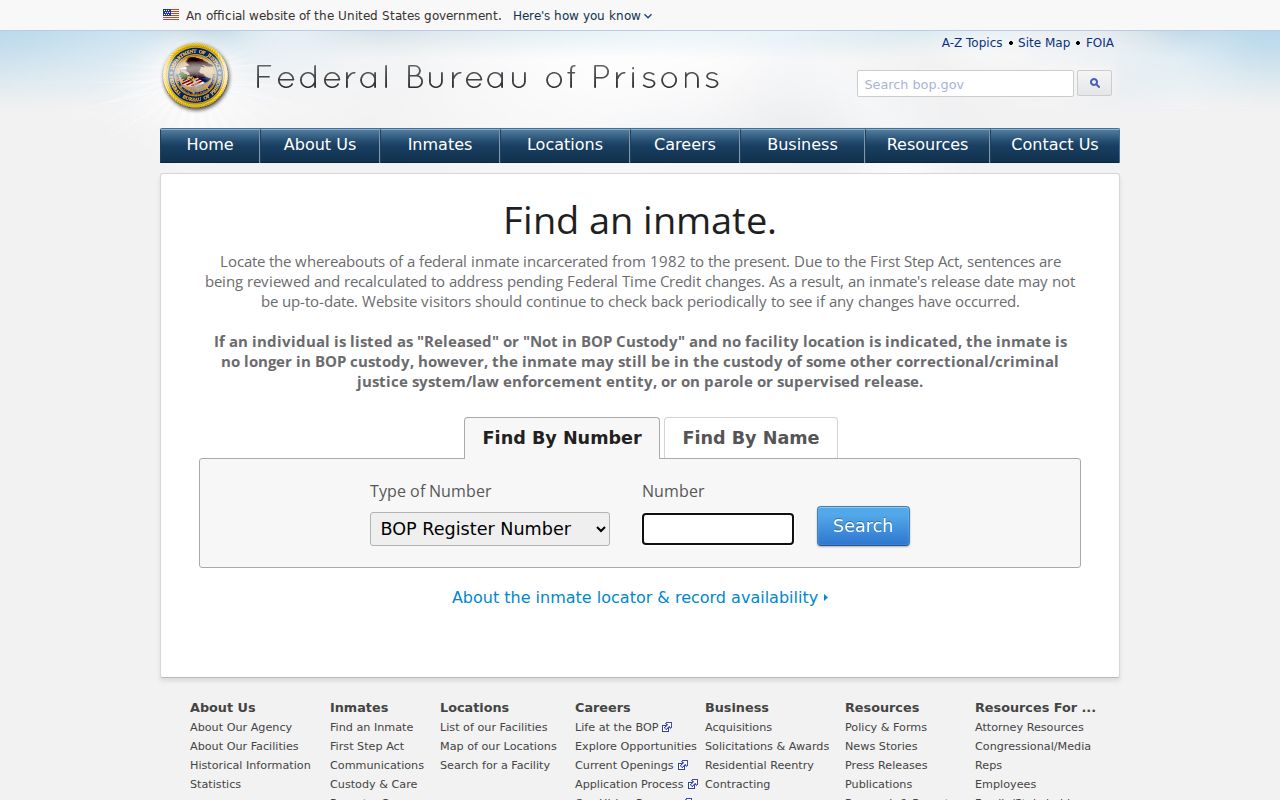
Use this layer only when federal custody is the actual question; local Blossom and Lamar County searches remain separate.
Older Blossom Records Without a Portal
For an older Blossom incident, begin with the current city contact and ask who held records for the year involved. Provide the date, location, agency, and any known incident number. If the city does not keep the file, ask for the name of the office that received it. Records from a small city may still be split among a responding agency, county jail, clerk, or justice court rather than stored in one municipal archive.
When a Blossom county case is missing online, call the proper clerk with the name and approximate filing year. If your own DPS record lacks the final Blossom outcome, obtain a certified disposition from the court and use the DPS correction process. A dismissed or acquitted Blossom case does not erase a booking automatically. Texas Chapter 55A expunction and Chapter 411 nondisclosure are separate remedies, each with specific eligibility rules.
Blossom Record Access Rules
The Texas Public Information Act governs many requests to city and law-enforcement custodians, but it does not make every field public. Active investigations, juveniles, victims, confidential identifiers, and other protected material may be withheld or redacted. A request must describe existing records. An office does not have to answer questions or create a new research summary. Court records follow clerk and judicial access rules, while DPS criminal-history dissemination follows its own statutes.
Key Statutes:
Texas Government Code Chapter 552 provides the Texas Public Information Act framework and exceptions.
Texas Government Code Chapter 411 governs criminal-history release and nondisclosure.
Texas Code of Criminal Procedure Chapter 55A controls qualifying expunction proceedings.
Verify the record with its original Blossom, Lamar County, state, or federal custodian. A name match is not fingerprint confirmation, and an arrest or pending charge is not a conviction.